Domestic cats are truly amazing creatures, and their journey alongside us has been quite an adventure. It all started around 9,000 years ago in the Middle East. As humans began farming, they noticed that pesky rodents were attracted to their stored grains. That’s when the wildcats showed up, lured by the easy meal. It was a simple arrangement: cats got food, and humans got pest control.
Over time, humans realized that these wildcats were more than just helpful guests. They admired their grace and independence. Some of these cats began to hang around more often, eventually becoming the first pets. Instead of living in the wild, these cats started to settle down with people, evolving into the domestic cats we adore today.
By the time ancient Egyptians came along, cats really hit the spotlight. They were considered sacred animals and were often featured in art and even mummified after death. Egyptians valued cats not just for their hunting skills but also for their companionship. They believed cats brought good luck and even had protective powers.
As trade routes expanded, cats traveled with sailors, merchants, and explorers, spreading far beyond their origins. From Asia to Europe, and eventually to the Americas, these curious creatures adapted to new environments and formed bonds with different cultures. Each new location added unique traits and behaviors to our feline friends, resulting in the diverse breeds we see today.
Now, whether they’re lounging in a sunbeam or chasing a feather toy, cats have firmly established themselves as beloved family members around the world. Their journey from wild predators to purring companions is a testament to their charm and resilience, making them one of the most cherished pets in human history.
Understanding Cat Breeds and Personalities
When it comes to cats, one size definitely does not fit all. Each breed brings its own unique traits and personality. From playful and affectionate to independent and aloof, understanding these quirks can help you pick the right kitty for your home.
If you’re into cuddly lap cats, the Ragdoll might be your best bet. These gentle giants love nothing more than to snuggle up to their humans for some quality time. They can even go limp when you pick them up, which is where they get their name!
On the other hand, if you want a cat with tons of energy who loves to play, consider the Bengal. These little bundles of joy are super active and curious. They’ll keep you on your toes with their playful antics and are always up for a toy challenge.
Don’t forget about the more reserved breeds like the British Shorthair. They often prefer to watch from a distance, making them great companions for those who enjoy a quieter feline friend. Understanding what each breed brings to the table helps you choose a cat that fits perfectly into your lifestyle.
Caring for Your Cat at Home
Don't forget about playtime! Cats are natural hunters, and they need mental and physical stimulation. Invest in some fun toys like feather wands, lasers, or even simple cardboard boxes. Engaging with your cat daily helps burn off energy and strengthens your bond.
Regular grooming is another important part of cat care. Depending on the breed, some cats might need more brushing than others. Long-haired cats can get tangled fur if you skip grooming sessions. A quick daily brush can be a nice bonding time, too.
Keep an eye on your cat's health. Regular vet check-ups are key. If you notice any changes in behavior, appetite, or litter box habits, it’s worth getting them checked out. Healthy cats are happy cats!
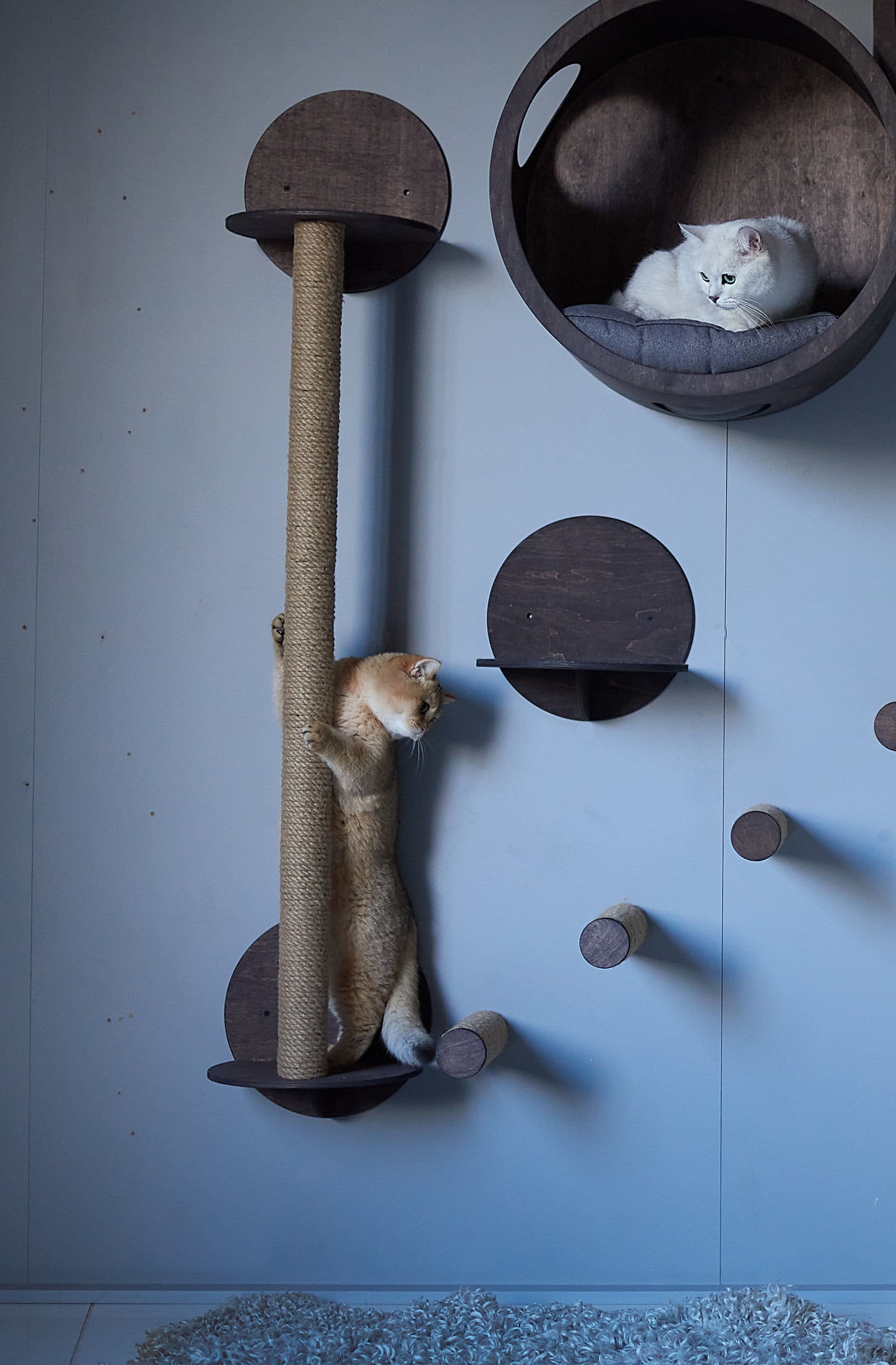
Lastly, provide some climbing opportunities and safe spaces. Cats love to perch up high and observe their surroundings. Cat trees are great for this and can also prevent them from scratching your furniture. With a little effort, you’ll create a haven where your cat feels loved and secure.
Fun Facts About Cats You Didn’t Know
Did you know that cats have been part of human life for thousands of years? They’ve walked alongside us since ancient times, believed to be domesticated around 9,000 years ago in the Near East. That’s longer than most of us would guess!
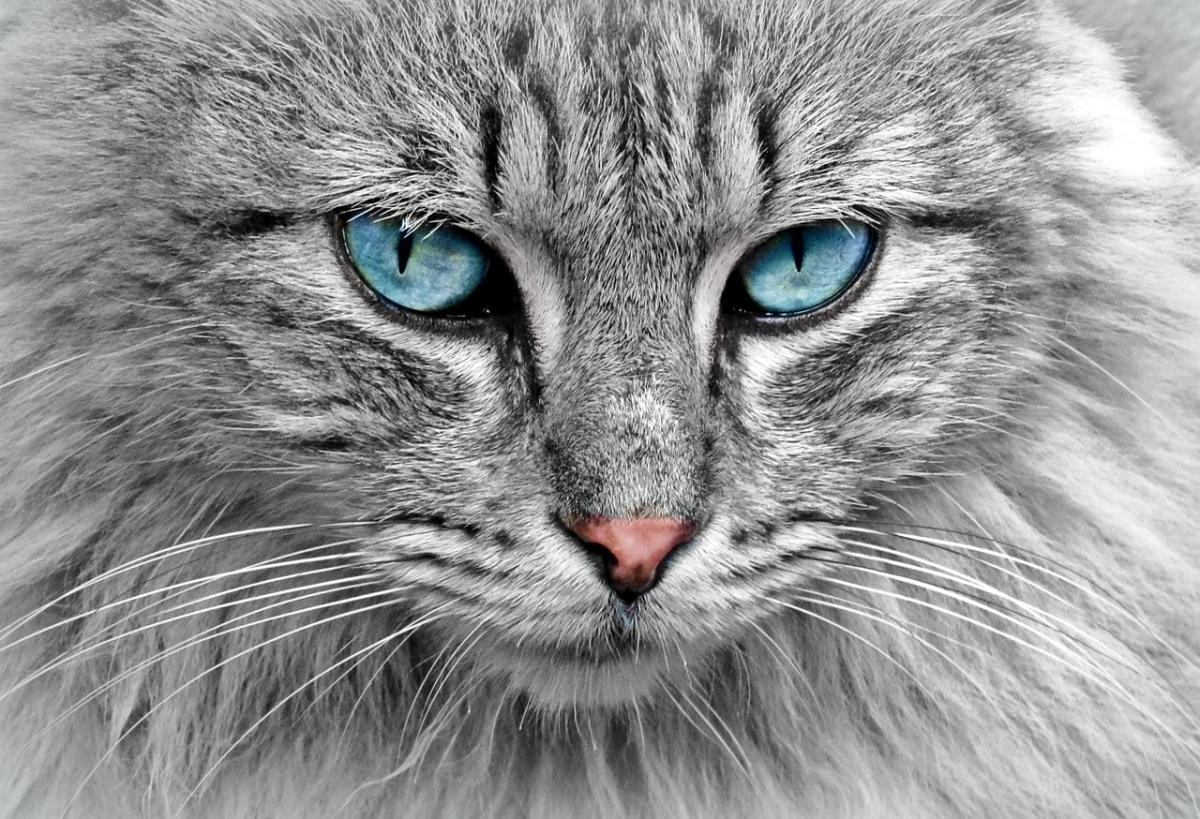
Here’s a quirky one: each cat’s noseprint is unique, just like human fingerprints. If you ever wanted to identify your kitty in a crowd, just take a close-up of their nose! It’s a neat little fun fact that shows how special every cat really is.
And get this: cats can make over 100 different sounds. While dogs might bark and whine, cats have a whole symphony of meows, purrs, and hisses to communicate. Their vocal range helps them express how they feel, whether it’s hunger, excitement, or just a need for some love.
Want to know something that’ll make you smile? Cats spend about two-thirds of their lives sleeping. That’s a lot of snooze time! They can easily snooze for 12 to 16 hours a day, making them experts in the art of relaxation.
Lastly, let’s not forget that cats can purr at a frequency of 25 to 150 Hertz, which can actually help them heal! It’s like their own built-in therapy sound. So, when you hear your cat purring away, they might just be healing themselves while looking super cozy.